Using Isopropyl Alcohol on Acrylic Nails
Learn when isopropyl alcohol helps with acrylic nails, from nail prep and cleaning to tool hygiene, and why it cannot replace acetone for removal.
Contents
- What isopropyl alcohol does on acrylic nails
- Prepping the natural nail before acrylic application
- Cleaning acrylic nails after filing and during wear
- Why isopropyl alcohol cannot remove acrylic nails
- Isopropyl alcohol on reusable press-on nails
- Sanitizing nail tools and surfaces with alcohol
- Safety precautions when using isopropyl alcohol
- Questions about isopropyl alcohol on acrylics
- Can you use isopropyl alcohol for acrylic nails?
- Does rubbing alcohol damage acrylic nails?
- Can I mix acrylic powder with isopropyl alcohol instead of monomer?
- Is higher-strength isopropyl alcohol better for nail prep?
- Will isopropyl alcohol remove nail glue from acrylic or press-on nails?
Isopropyl alcohol works on acrylic nails for prep, cleaning and hygiene, but it does not remove them. The alcohol lifts oil and filing dust, then evaporates quickly without softening cured acrylic. Acrylic removal calls for acetone, since isopropyl alcohol does not dissolve the hardened acrylic polymer.
- Wipe the natural nail with isopropyl alcohol before acrylic to remove oils that weaken adhesion.
- Use a lint-free pad with alcohol to clear filing dust from finished acrylic nails.
- Soak in acetone, not isopropyl alcohol, when acrylic nails need to come off.
- Keep isopropyl alcohol away from flames and heat, since it is highly flammable.
- Follow alcohol use with cuticle oil, because repeated wiping dries the skin around nails.
What isopropyl alcohol does on acrylic nails
Isopropyl alcohol acts as a cleaner and drying agent on acrylic nails, not as a solvent for them. The liquid loosens skin oils, lotion residue and fine dust from the nail surface. Once applied, the alcohol evaporates fast and leaves a dry, clean surface. Cured acrylic stays hard and intact under a normal wipe.
Acrylic nails form when monomer, a reactive acrylic liquid, mixes with polymer powder and hardens. The hardened layer resists isopropyl alcohol, so nail techs can wipe it freely during a service. Acetone, by contrast, softens that same layer with time and lets it crumble away from the nail.
Isopropyl alcohol does have limits on the finish of acrylic nails. Frequent heavy rubbing can dull some topcoats and nail polishes, especially layers that are not fully dry. A light pass with a soaked lint-free wipe cleans the surface with less risk to the shine. Testing on one nail first shows how a particular finish reacts.
Prepping the natural nail before acrylic application
Wiping the natural nail with isopropyl alcohol before acrylic removes oils that can block bonding. Nail plates carry natural oil, and hand creams add another layer on top. Even a thin film can create weak spots where lifting starts later. Lifting means the acrylic edge separating from the natural nail plate.
The prep wipe comes after cuticle work and light buffing, once the nail has lost its shine. Apply alcohol with a lint-free pad so fibers do not stick to the plate. Let the nail air dry fully before primer or acrylic goes on. Touching the nail after the wipe brings oil back and undoes the step.
Some technicians use a dedicated nail dehydrator in place of plain isopropyl alcohol. A dehydrator is a prep liquid made to pull moisture and oil from the nail plate. Isopropyl alcohol does a similar cleaning job, while a dehydrator may add ingredients that aid adhesion. Instructions from the acrylic system maker show which prep steps that system expects.
Cleaning acrylic nails after filing and during wear
Isopropyl alcohol clears filing dust from acrylic nails after shaping, before topcoat or polish goes on. Dust left on the surface can get trapped under color and create a grainy finish. A wipe soaked in alcohol picks up the dust without leaving water behind. The nail then dries quickly and is ready for the next layer.
During wear, a light alcohol wipe can clean acrylic nails after contact with food, makeup or dirt. The underside of the free edge, the part past the fingertip, collects debris and needs gentle cleaning. Avoid pushing tools hard under the edge, since force there can loosen the acrylic. Plain soap and water remain fine for everyday hand washing with acrylics.
Isopropyl alcohol can keep a lifted acrylic edge clean until your next fill, the refresh of grown-out acrylic. Wipe gently around the lifted area without prying it further open. Moisture and debris trapped under lifted acrylic can raise the risk of infection. A nail technician should assess and repair the lifting instead of gluing it down at home.
Why isopropyl alcohol cannot remove acrylic nails
Isopropyl alcohol cannot remove acrylic nails because it does not dissolve the cured acrylic polymer. Soaking nails in alcohol leaves the extensions firmly attached, however long they sit in the bowl. Long soaks only dry out the skin and cuticles around the nails. Rubbing alcohol and alcohol-based hand sanitizer share the same limit on acrylic.
Acetone is the solvent for acrylic removal, since it softens the polymer until it can be scraped away. The process starts by filing off the topcoat and thinning the bulk of the acrylic. Each nail then soaks in acetone, either under foil-wrapped cotton or in a small bowl. Softened acrylic comes off with gentle pressure from a wooden or plastic pusher.
Non-acetone polish remover also falls short when you try to remove acrylic nails. That remover is designed to lift nail polish while leaving extensions in place. A technician may remove acrylic with an e-file, an electric nail drill, plus a short acetone soak. Electric filing needs training, since a slip can thin the natural nail or burn it with friction heat.
| Liquid | Effect on cured acrylic | Role in acrylic care |
|---|---|---|
| Isopropyl alcohol | Does not soften it | Nail prep, dust removal, tool cleaning |
| Acetone | Softens and breaks it down | Acrylic removal |
| Non-acetone remover | Does not soften it | Removing polish worn over acrylic |
Isopropyl alcohol on reusable press-on nails
Isopropyl alcohol is a practical cleaner for reusable press-on nails, including acrylic and ABS plastic sets. Before reuse, a wipe removes skin oil and dust from the back of each tip. A clean, dry underside gives fresh glue or adhesive tabs a better surface to grip. Wipe your natural nails with alcohol too, right before you apply the set.
Old adhesive on press-on nails often needs more than alcohol to come off. Glue residue softens in warm soapy water and can then be buffed gently from the underside. Adhesive tab residue tends to peel or roll away once the tip is dry. A final alcohol wipe removes any soapy or oily film left from the soak.
Painted or decorated press-on designs deserve a careful test before any alcohol wipe. Some hand-painted colors, glitter finishes and topcoats can smear or dull when rubbed with alcohol. If a design reacts, clean only the plain underside and keep alcohol off the front. Store cleaned press-ons fully dry in a sorted case so each size stays easy to find.
Sanitizing nail tools and surfaces with alcohol
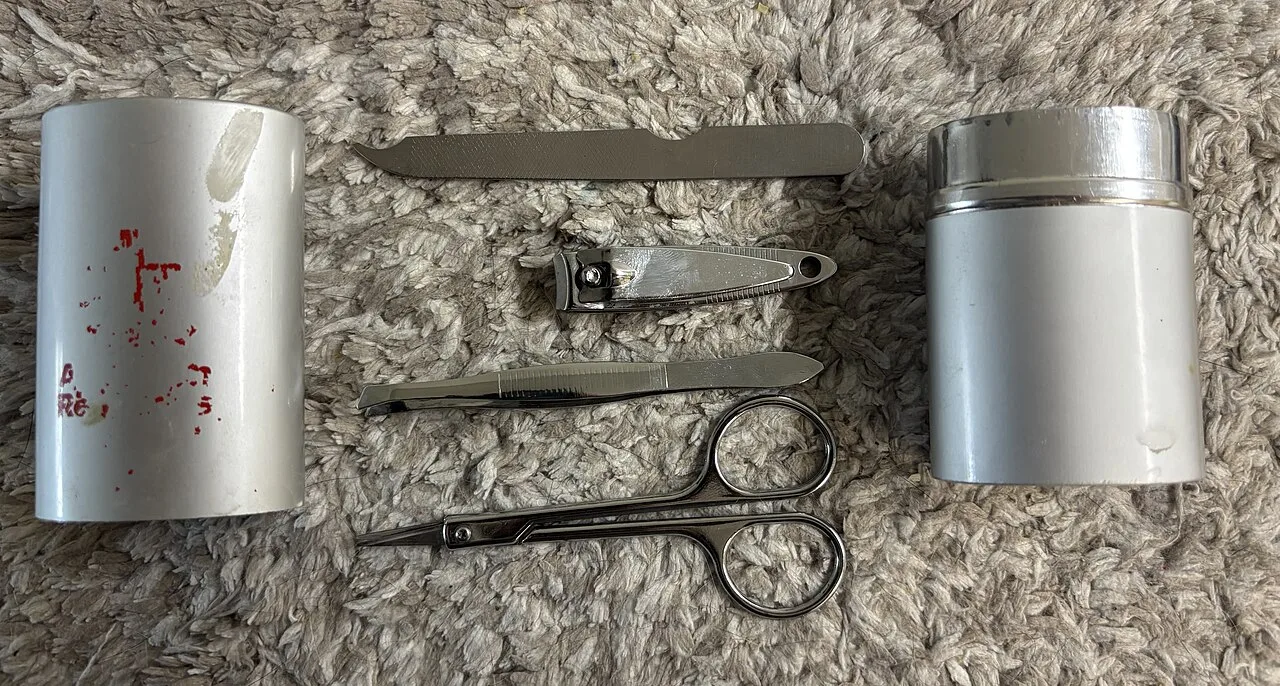
Isopropyl alcohol helps clean metal nail tools between uses, such as cuticle pushers and nippers. Scrub tools first with soap and water to clear away dust. Alcohol then works on the clean surface, where it can reach the metal directly. Let tools air dry on a clean towel before storing them in a closed container.
Cleaning with alcohol at home is not the same as sterilization in a professional setting. Salons may use hospital-grade disinfectants or an autoclave, a pressurized steam sterilizer, for metal implements. Hygiene rules for salons differ by region, so professional standards depend on local requirements. Porous items such as files, buffers and wooden sticks absorb debris and suit single use.
Work surfaces around an acrylic set also benefit from an alcohol wipe after filing. Acrylic dust settles on tables, lamps and brush holders while you shape the nails. Wiping these spots keeps dust off fresh nails and away from your hands later. Acrylic brushes are cleaned with monomer or the brush cleaner the acrylic system maker recommends.
Safety precautions when using isopropyl alcohol
Isopropyl alcohol is highly flammable, so keep it away from candles, cigarettes, heaters and open flames. Store the bottle tightly closed and upright, out of reach of children or pets. Let alcohol evaporate fully from nails and pads before going near a stove or lighter.
Isopropyl alcohol vapors can irritate the eyes, nose and throat in a closed room. Work in a ventilated space, especially when acetone or acrylic dust is also present. Rinse eyes with clean water if alcohol splashes into them, and seek medical help if irritation continues. Swallowing isopropyl alcohol is a poisoning risk that needs urgent medical attention.
Repeated alcohol wipes dry out the skin and cuticles around acrylic nails. Dry cuticles can crack, which opens small gaps where bacteria may enter. Apply cuticle oil or hand cream once the nails are finished and the alcohol has dried. Stop using alcohol and see a doctor if the skin turns red, swollen or painful.
- Keep the bottle away from flames and heat
- Use alcohol in a well-ventilated room
- Apply with a lint-free pad, not cotton balls
- Moisturize cuticles after the alcohol dries
- Store closed and out of children's reach
Questions about isopropyl alcohol on acrylics
Can you use isopropyl alcohol for acrylic nails?
Yes, isopropyl alcohol is suitable for prepping, cleaning and sanitizing around acrylic nails. A quick wipe removes oil before application and dust after filing. The alcohol does not soften cured acrylic, so it has no role in removal.
Does rubbing alcohol damage acrylic nails?
No, rubbing alcohol does not break down the cured acrylic in nail extensions. Heavy, repeated rubbing can dull some topcoats or polish layered over the acrylic. A light wipe with a lint-free pad lowers that risk to the finish.
Can I mix acrylic powder with isopropyl alcohol instead of monomer?
No, isopropyl alcohol cannot replace monomer in an acrylic nail mix. Acrylic powder hardens only through a chemical reaction with its matching monomer liquid. Powder stirred into alcohol forms a weak paste that does not cure into a solid nail.
Is higher-strength isopropyl alcohol better for nail prep?
Yes, higher-strength isopropyl alcohol suits nail prep because it holds less water and dries faster. Diluted alcohol leaves more moisture on the nail plate before acrylic goes on. For cleaning tools, a diluted strength works well, since some water helps alcohol act on germs.
Will isopropyl alcohol remove nail glue from acrylic or press-on nails?
No, isopropyl alcohol is a weak remover for cured nail glue. Nail glue is a cyanoacrylate adhesive, and acetone is the liquid that softens it. Acetone can soften or warp some plastic press-on tips, so test it on one tip first. Alcohol mainly cleans the surface once the glue residue has been taken off.